What Is Pleural Mesothelioma?
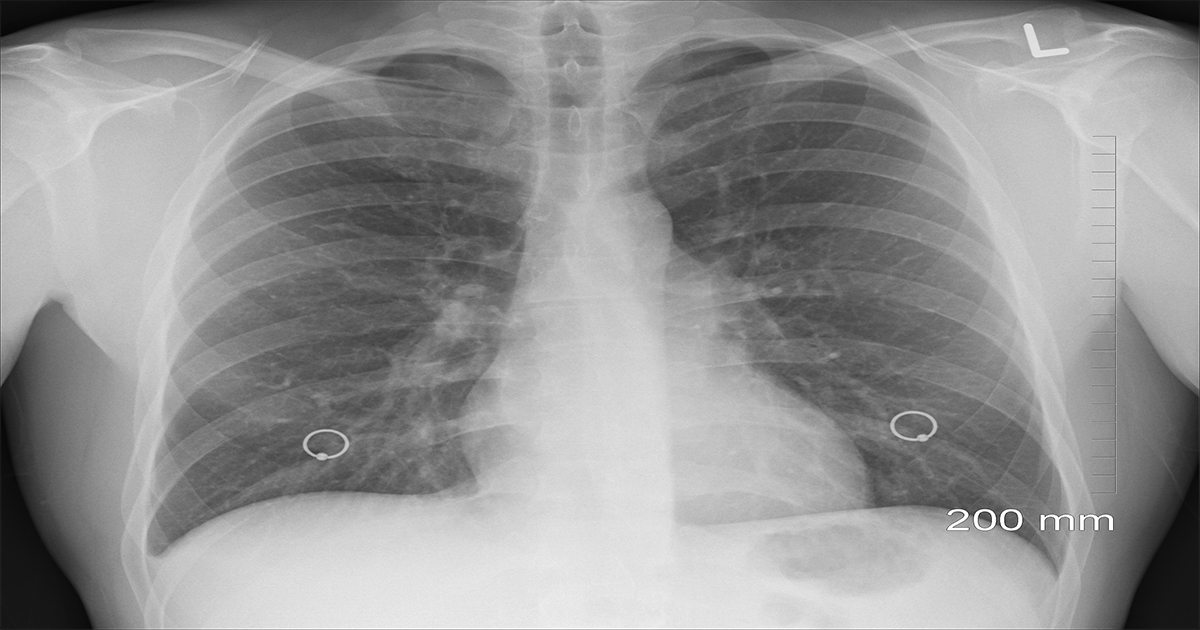
Malignant pleural mesothelioma (MPM) is a form of cancer caused by exposure to asbestos. Tumors develop in the lining of the lungs and chest cavity (called the pleura). It is the most common form of mesothelioma, making up 60 to 70 percent of all cases.
It can take anywhere from 15 to 60 years for someone to begin showing signs of pleural mesothelioma. Most patients aren’t diagnosed until they are in the final stages of the disease because of the long latency period and non-specific symptoms.
Pleural mesothelioma is an aggressive cancer that spreads rapidly. Getting treatment quickly gives patients the best possible prognosis.
If you or a loved one has been diagnosed with pleural mesothelioma, financial help is possible.
Contact us to learn more about your rights to compensation.
Asbestos and Pleural Mesothelioma
Asbestos is the only known cause of mesothelioma.
Asbestos is composed of sharp, microscopic fibers. Inhaling these fibers can lead to pleural mesothelioma.
The disease develops through:
- Exposure: Asbestos fibers are released into the air when the material is mishandled, damaged or disturbed.
- Inhalation: Without proper protection, anyone in the vicinity of airborne asbestos can unknowingly inhale or swallow it.
- Migration: Once inhaled, asbestos fibers can settle into the pleura surrounding the lungs and chest.
- Mutation: Irritation of these tissues may cause healthy cells to become cancerous over time.
Most people who are diagnosed with mesothelioma were exposed to asbestos in the workplace. The material was used extensively in industrial, military, construction and manufacturing industries for decades.
 But workers are not the only people who develop mesothelioma. Family members have also been diagnosed with the asbestos cancer from secondary exposure to fibers brought home on an employee’s clothing, shoes or skin.
The U.S. government has placed restrictions on asbestos use in numerous industries and commercial products. But there is no universal ban on asbestos in the United States.
Estimates show that 1.3 million workers in the United States are still being exposed to asbestos on the job each day.
Symptoms of Pleural Mesothelioma
Mesothelioma has subtle symptoms. Most are so generalized that they are mistaken for more common ailments like bronchitis, pneumonia and COPD.
Mesothelioma can also be confused with lung cancer. But they are two separate diseases that are treated differently. It’s crucial to get the right diagnosis to achieve the best outcome.
Common signs of pleural mesothelioma include:
- Chest or lower back pain
- Cough
- Shortness of breath
- Hoarseness
- Swallowing problems
- Fluid build-up (pleural effusion)
- Fatigue
- Weight loss
- Fever
- Swelling in arms or face
 Patients who begin experiencing symptoms of mesothelioma should always inform their doctors if they have a history of asbestos exposure.
Even a single exposure could result in a mesothelioma diagnosis.
Pleural Mesothelioma Diagnosis
The indistinct symptoms of mesothelioma are not the only reasons why it’s challenging to diagnose the disease. The plain truth is that few doctors are familiar with the asbestos cancer.
There are only 3,000 new cases of mesothelioma diagnosed in the United States each year. Because it is so rare, mesothelioma is unlikely to be the first diagnosis that a physician will consider.
Diagnosing pleural mesothelioma is a multi-step process
Physical exam
This will be where the doctor will first observe the possible signs of mesothelioma.
Imaging
Chest X-rays, CT scans, MRIs and PET scans can show physicians the location and extent of mesothelioma tumors.
Biopsy
A biopsy involves the removal of tissue or fluid from the body. It is the only way to officially confirm a mesothelioma diagnosis.
There are several different types of biopsy procedures:
Needle Biopsy
A needle biopsy obtains fluid from the area around mesothelioma tumors. Doctors use a hollow needle to extract a fluid sample from the pleural space to look for cancer cells. This process is called a thoracentesis.
 Patients are usually awake during a thoracentesis. Doctors numb the area where the needle will be inserted and may use an ultrasound or other imaging technique to guide the needle to the appropriate location.
The benefit of a thoracentesis is that it is non-invasive with the least amount of risk to the patient. However, it is not the most reliable diagnostic tool because there’s a chance that the fluid sample was not taken from an area where cancer cells were present.
Endoscopic Biopsy
An endoscope is a medical instrument that allows doctors to look inside the body using a tube with a video camera attached. There are several endoscopic procedures used to gather tissue samples for mesothelioma, including:
- Thoracoscopy: Doctors insert the endoscope through a small incision in the chest. They can remove tissue samples from the pleural tissue around the lungs.
- Mediastinoscopy: Samples are taken from the space between the lungs (called the mediastinum). This area also contains lymph nodes. Doctors may also extract samples from the lymph nodes to see if the cancer has spread there.
Endoscopic biopsies are considered minimally invasive procedures. However, they are done under general anesthesia and require more recovery time than a needle biopsy.
Another name for a thoracoscopy is video-assisted thoracic surgery (VATS). Many top mesothelioma specialists recommend this procedure for diagnosing the disease.
Surgical Biopsy
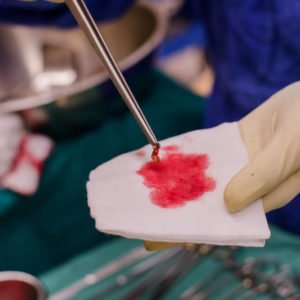
A surgical biopsy is the most invasive option for diagnosing mesothelioma. However, it also allows doctors to take generous tissue samples from multiple locations. This gives them the best chance of detecting mesothelioma cells.
The surgical procedure used to detect pleural mesothelioma is called a thoracotomy. A surgeon will make an incision to open the patient’s chest. From there, the doctor can remove tissues from the pleural cavity.
A thoracotomy is not only used for biopsies. A thoracotomy is also the way that doctors perform curative and palliative treatment for patients with pleural mesothelioma.
After the Biopsy
After a biopsy, fluid and tissue samples are analyzed in a pathology lab. A pathologist is trained to identify abnormalities using a microscope.
The results of a biopsy tell mesothelioma doctors two important things:
- Whether the patient has mesothelioma
- What type of cells make up the mesothelioma tumors
Knowing both of these facts plays a critical role in helping doctors make treatment recommendations and estimate a patient’s life expectancy.
Stages of Pleural Mesothelioma
Being diagnosed with mesothelioma is the first step toward developing a treatment plan. Next, doctors need to identify the stage of the asbestos cancer.
Cancer staging is important because it tells physicians how far the cancer has spread throughout the body. Patients in the late stages of mesothelioma have the fewest treatment options.
Doctors use the TNM system to stage pleural mesothelioma. This system looks at three critical factors:
- T: The size of the main tumor and how far it has spread
- N: If the cancer is found in nearby lymph nodes
- M: Whether the cancer has metastasized (spread) to distant structures in the body
Stage 1A
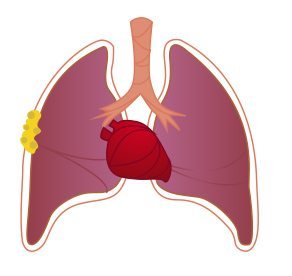
- Mesothelioma is in the pleural lining of chest
- Only on one side of the chest
- Tumors may affect the pleura of the lung, diaphragm or mediastinum
- No cancer in the lymph nodes or distant parts of the body
- Surgery is a good option
Stage 1B
- Mesothelioma tumors are in the pleural lining of the chest wall, diaphragm and mediastinum
- Only on one side of the body
- Tumors may also have grown into the first layer of chest wall, fatty tissue of mediastinum or in the pericardium lining the heart
- No lymph node involvement
- No spread to distant structures
- Surgery is possible
Stage 2
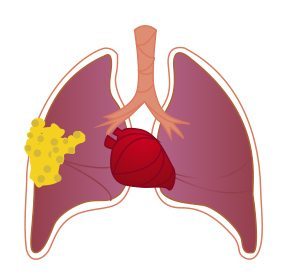
- Mesothelioma is in the pleura on one side of chest wall
- Tumors may have grown deeper inside the lung and diaphragm
- Cancer has spread to lymph nodes on the same side as the main tumor
- No metastasis to distant areas
- Surgery is possible
Stage 3A
- Mesothelioma has spread to nearby structures
- Cancer in the lining of the chest wall, lungs, diaphragm and mediastinum on the same side
- Tumors in at least one of the following areas: first layer of chest wall, fatty tissue in mediastinum, a single place deeper in the chest wall or the pericardium.
- Spread to lymph nodes (possibly on both sides, or above the collarbone on either side)
- Surgery may still be possible
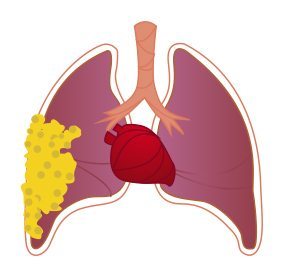
Stage 3B
- Tumor in the pleura of the chest wall, lung, diaphragm and mediastinum on one side
- Must also be in at least one of the following areas: the deeper layers of the chest wall, peritoneum (abdomen), organs of the mediastinum (e.g., esophagus, trachea, thymus, blood vessels), spine, pleura on other side of chest or the heart itself
- May or may not be in nearby lymph nodes
- No distant metastasis
- Surgery is generally ruled out as an option
Stage 4
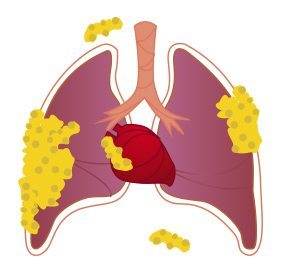
- Tumors have spread to distant sites in the body (e.g., brain, spine, etc.)
- Distant lymph node involvement on the other side of the body
- May also be in the lungs, pleura on other side of the body, lungs and peritoneum
- Surgery is not possible
Because staging is so important in outlining treatment options, patients with pleural mesothelioma should consider seeking a second opinion before making any decisions.
Pleural Mesothelioma Treatment
A multimodal approach that includes surgery, chemotherapy and radiation is considered the gold standard for treating patients with pleural mesothelioma.
Surgery
Doctors may suggest surgery as part of a treatment plan for mesothelioma. There are several different types of operations, including:
Extrapleural pneumonectomy (EPP)
An extrapleural pneumonectomy is a big operation. A patient must be in relatively good health to be a good candidate for an EPP. Most are diagnosed with the epithelioid form of pleural mesothelioma, which is the most treatable form of the disease.
- During an EPP, a thoracic surgeon removes:
- The lung on the side of the body where the cancer is located
- Pleura of the chest wall on the same side
- The diaphragm on the same side
- Possibly the pericardium (heart sac) and nearby lymph nodes
After removal, the diaphragm and pericardium are replaced with artificial parts.
Doctors are very cautious about recommending an EPP to their patients. According to the American Cancer Society, about 1 in 3 patients can have serious complications after an extrapleural pneumonectomy.
Pleurectomy/Decortication (P/D)
A pleurectomy/decortication is another aggressive surgical approach to pleural mesothelioma. However, it is not as extensive as an EPP.
During a P/D procedure, a surgeon removes:
- Pleura lining the chest wall on the same side of the cancer
- Pleura of the lung, mediastinum and diaphragm on the same side
The main difference between an EPP and P/D is that the lung and diaphragm are not removed.
However, a newer procedure called an extended P/D (or radical P/D) does remove the diaphragm on the side where the cancer is located. The pericardium may or may not be removed.
 A pleurectomy/decortication has several advantages compared to an extrapleural pneumonectomy. It is a lung-sparing procedure and less invasive. Studies also show that there are fewer complications among patients who undergo a P/D instead of an EPP.
But neither surgery has particularly outstanding outcomes. A 2017 article that compared the benefits of an EPP over a P/D in the Annals of Translational Medicine found that “prognosis following [malignant pleural mesothelioma] surgery is still very dismal with two-year survival rates of less than 40 percent.”
Chemotherapy
Chemotherapy uses anti-cancer drugs to fight mesothelioma. Medications may be given before surgery to shrink or slow down the spread of cancer cells. Chemotherapy may also be given after surgery to prevent tumors from coming back.
Chemotherapy is usually given in three to four-week cycles. The drugs can cause harsh side effects, so doctors administer them over time so the body can recover between cycles.
There are two types of chemotherapy used to treat pleural mesothelioma:
- Systemic Chemotherapy: Drugs are injected into the bloodstream and spread to where the cancer is.
- Intrapleural Chemotherapy: The medications are inserted into the pleural cavity where the cancer is located. Sometimes the drugs are heated before placement. This is called hyperthermic chemotherapy.
The most common chemotherapy drugs for mesothelioma include:
- Pemetrexed (Alimta)
- Cisplatin
- Carboplatin
- Gemcitabine (Gemzar)
- Vinorelbine

Patients may take one drug or a combination of drugs as part of the treatment process.
Because pleural mesothelioma is the most common form of the disease, it is also the most well researched. Many emerging treatments involve new chemotherapy drugs that are currently in clinical trials.
Radiation Therapy
Radiation uses ionizing radiation to kill cancer cells. It is usually used after surgery to attack remaining cells that could not be seen or resected. Radiation therapy can also be used palliatively to relieve the painful symptoms of pleural mesothelioma.
On its own, radiation therapy is not considered a good method to treat mesothelioma. That’s because it can be difficult to aim the radiation beams to target the cancer cells without attacking healthy tissues as well.
However, newer technologies including external beam radiation therapy (EBRT) and intensity modulated radiation therapy (IMRT) are showing promise at treating mesothelioma without as many side effects.
Other Pleural Mesothelioma Treatment Options
Researchers are exploring other methods to treat pleural mesothelioma in addition to the conventional multimodal approach.
Some of these methods include:
- Immunotherapy: Drugs are used to stimulate the body’s immune system to fight cancer.
- Targeted Drug Therapy: Medications are given to target the proteins in cancer cells that cause them to mutate and multiply. For example, the drug bevacizumab is being used to block the protein that allows cells to form new blood vessels. Tumors need a bigger blood supply to grow. Without that protein, the tumor’s growth will be limited.
- Photodynamic Therapy: Drugs called photosensitizers are injected into the bloodstream and absorbed by the body. Doctors then shine a special light to activate the drugs. The light causes the medicine to produce oxygen that kills the cancer cells around it.
- Gene Therapy: Researchers are investigating whether man-made viruses could alter cells to cure cancer. The idea is to see whether a virus could prevent cancer growth, repair cells or modify the DNA in cells to make them more responsive to chemotherapy.
- Alternative Therapy: Some mesothelioma patients use alternative or complementary therapies to alleviate the symptoms of the disease. Acupuncture, yoga and natural supplements are examples. Always talk to a doctor before starting any type of alternative treatment. For example, some supplements may not react well with chemotherapy drugs.
 Alternative Therapy: Some mesothelioma patients use
 Although mesothelioma is rare, some of the top medical centers are conducting clinical trials of up-and-coming treatments. Patients should ask their doctors if they are eligible to participate in any experimental therapies.
Financial Assistance for Pleural Mesothelioma Patients and Families
Figuring out how to pay for medical care is a serious concern for mesothelioma patients and their families. The combined costs for mesothelioma treatment can easily top $1 million. The financial burden grows worse if the patient and/or caregiver must stop working during treatment.
Fortunately, financial help is available for people with mesothelioma.
The companies who manufactured and sold asbestos to consumers were aware that the material could have poor health effects. Their failure to warn the public has cut millions of innocent lives short.
 Today, patients and family members are holding asbestos companies accountable for their negligence by demanding — and winning ― compensation to help manage the costs of medical care and related losses.
The best way to find out what types of compensation that you are entitled to is by talking to a top-rated mesothelioma attorney.
Potential sources of compensation include:
- Asbestos trust funds: Asbestos companies that went bankrupt were required to set aside funds to compensate victims with mesothelioma and other asbestos diseases. A skilled mesothelioma attorney can identify which trusts you may be able to file a claim against and help with the claims process.
- Lawsuits: Patients can file a personal injury lawsuit against the company(s) responsible for their exposure to asbestos. Families who have lost a loved one to mesothelioma may be able to file a wrongful death claim against the liable parties. An experienced mesothelioma attorney can help you file a legal claim before the statute of limitations expires in your state.
- Veterans’ benefits: Approximately one-third of all mesothelioma patients are military veterans. Qualifying veterans may be entitled to monthly disability benefits and free health care. A knowledgeable asbestos lawyer can examine your military records to determine your eligibility for VA benefits and whether you could pursue compensation from a lawsuit or trust fund.
- Workers’ compensation: Most mesothelioma cases are due to workplace exposure. Patients may be entitled to benefits to cover medical costs and a portion of lost wages by filing a workers’ comp claim for mesothelioma. Working with a lawyer can help patients understand their rights to all forms of mesothelioma compensation.

If you are ready to speak with a nationally respected mesothelioma attorney, contact us today. We will explain your legal options in a free consultation with no strings attached.
You have nothing to lose by learning about your legal rights, but so much to gain. Contact us to find out how to secure a solid financial future for you and the ones you love.
Pleural Mesothelioma Sources:
- Agency of Toxic Substances and Disease Registry: Asbestos Toxicity — Who is At Risk of Exposure to Asbestos?
- American Cancer Society: Signs and Symptoms of Mesothelioma, Malignant Mesothelioma Stages and Surgery for Malignant Mesothelioma
- Annals of Translational Medicine: Extrapleural pneumonectomy (EPP) vs. pleurectomy decortication (P/D)