Navy veterans who are diagnosed with mesothelioma as a result of active military service are entitled to benefits from the federal government.
Table of Contents
Types of Ships with Asbestos
The U.S. Navy has about 430 vessels, including both ships and service craft, that are actively in service or in reserve. Unfortunately, although the Navy issued a policy against using asbestos in ships in 1975, many veterans had already been exposed to the cancer-causing material by that point.
The nationally recognized mesothelioma law firm of Belluck & Fox, LLP has extensive experience researching where asbestos was used on U.S. Navy vessels, and we are here to help veterans who are now suffering health effects from their exposure years ago. For more information, check out our FAQ page now.
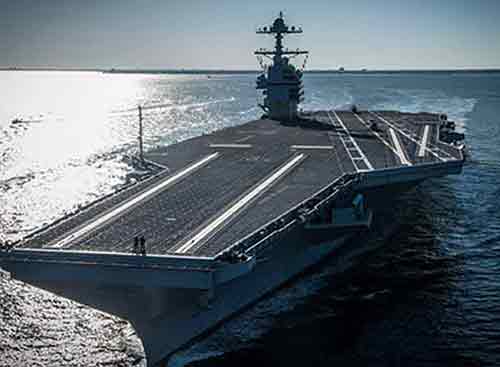
Aircraft Carriers
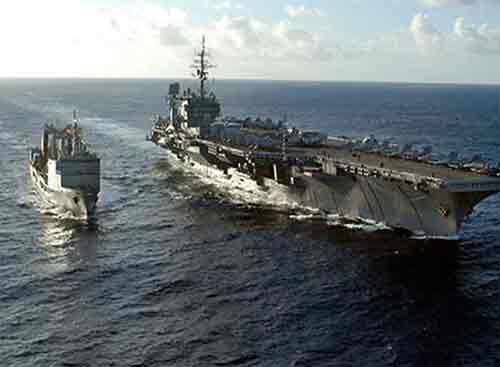
U.S Navy aircraft carriers were critically important during wartime, helping shape the strategy of combat. Able to hold more than 3,000 soldiers and as long as 1,100 feet, these mobile air bases are the largest warships ever constructed. They are indispensable platforms that help greatly extend the military’s reach, enabling it to launch airstrikes against any target, anywhere in the world. The Navy lists more than 60 aircraft carriers that have served the U.S. military, with 10 of those currently active and two more under construction.
Ammunition Ships
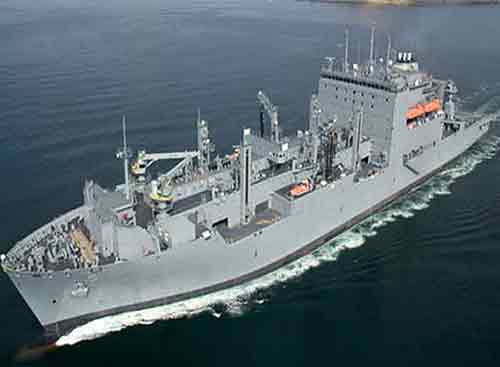
Used to deliver important supplies to combatant ships at sea, U.S. Navy ammunition ships carry more than ammunition and missiles. They also transport food, parts for repairs, and small amounts of fuel, when necessary. Due to the dangers of carrying such volatile cargo, though, these ships aim to make deliveries in safe spots at sea, out of enemy lines of fire. Ammunition ships became a staple in the fleet before and during World War II, and they continue to serve our country today.
Amphibious Warships
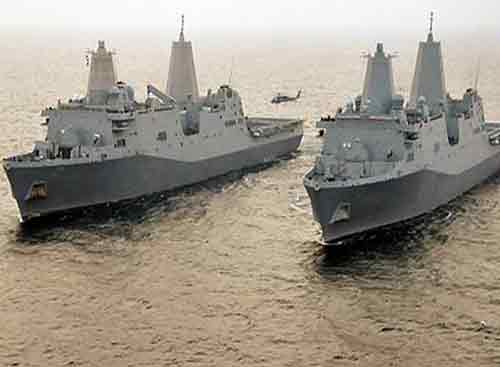
As the name indicates, amphibious warships – commonly referred to as “gator freighters” – travel on water in support of ground assaults. In addition to transporting troops, they host aircraft, carry landing craft, and provide suppressive fire and cover for other ships. Amphibious warships were first used widely during World War II due to the complexity of coastal area campaigns. The overarching “Gator Navy,” as it’s called, includes: amphibious assault ships; amphibious command ships; amphibious transport dock; command ships; dock landing ships; landing craft, air cushioned; and landing craft, mechanized and utility.
Battleships
Battleships have served a vital role throughout the history of naval conflict. Although U.S. Navy battleships were the most important vessels in the fleet prior to World War II, advancements in weapons technology made them largely obsolete by the early 1940s. Far too vulnerable to mines, aircraft and torpedoes, these grand ships were largely replaced by aircraft carriers in the Second World War and completely decommissioned by the 1990s. Over the course of its history, the U.S. Navy commissioned 59 battleships.
Cruisers
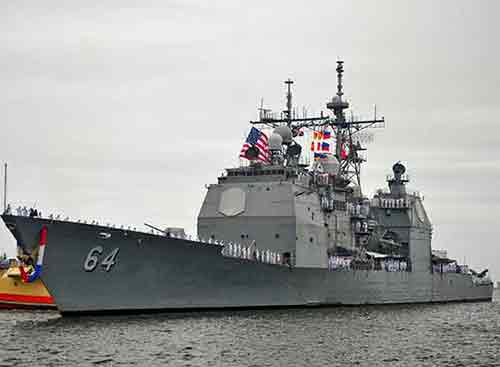
Cruisers took on the role of direct-combat surface ships as production of battleships ceased in the later 20th century. Each of these large, powerful vessels served its own specialized function, including guided missile cruisers, aircraft cruisers, battlecruisers and command cruisers. Although a few remain in service, these ships were critically important to the U.S. Navy fleet throughout much of the 1900s. The U.S. Navy currently has an aging force of 22 cruisers.
Destroyers
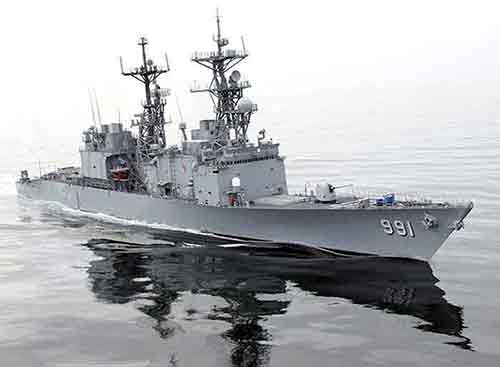
Destroyers are built largely for speed and elusiveness and are therefore smaller than cruisers and battleships. The main function of a destroyer is to help defend larger vessels from attacks by quick, agile enemy craft. As battleship production ceased and the use of cruisers began to decline, destroyers became the most heavily armored and armed surface-combat ships. The U.S. Navy now boasts 72 destroyers, including 10 that are under construction.
Destroyer Escorts
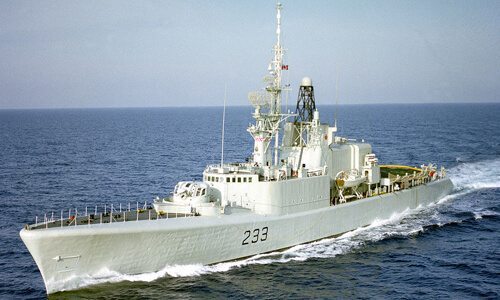
Destroyer escorts are smaller than full-size destroyers and used mainly for anti-aircraft and anti-submarine purposes. The U.S. Navy used these small, agile vessels to help defend unarmed Merchant Marine ships during the Second World War. They share the same design as destroyers but are not as fast. There were more than 450 of these vessels constructed after 1941. By the 1970s, destroyers became known as frigates.
Escort Carriers
Escort carriers provided substantial advantages over standard aircraft carriers because they were easier and less expensive to build. The Navy was thus able to deploy these vessels, often called “baby flattops” and “jeep carriers,” when larger carriers were unavailable. Escort carriers were mainly used during World War II to help protect Allied convoys from attacks by German U-boats.
Floating Dry Docks
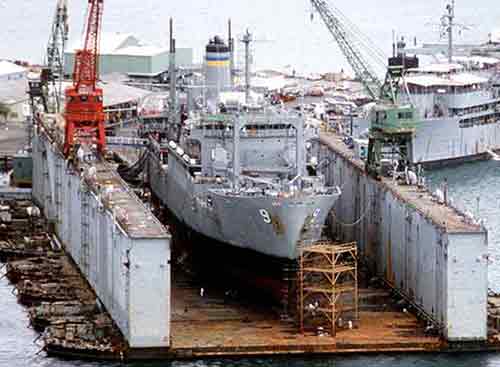
Floating dry docks are essential for the flexibility of naval operations, giving U.S. Navy vessels the ability to dock along shores where a traditional dry dock is not an option and offering aid wherever it is needed. These crucial service crafts assist in hauling and docking ships, as well as conducting maintenance and repairs to vessels in isolated areas. The Navy began ramping up its fleet of floating dry docks in preparation for operations in the Pacific during World War II. These vessels continued to be a great asset during the Korean and Vietnam wars, and they are still used today.
Frigates
Frigates were mainly built during and after the Second World War. Prior to the 1970s, they were referred to as destroyer escorts. While they were used primarily in an anti-submarine role, frigates were also used to defend convoys. These are substantially different from prior vessels that were also known as frigates.
Minesweepers
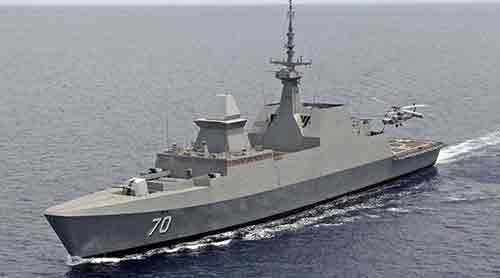
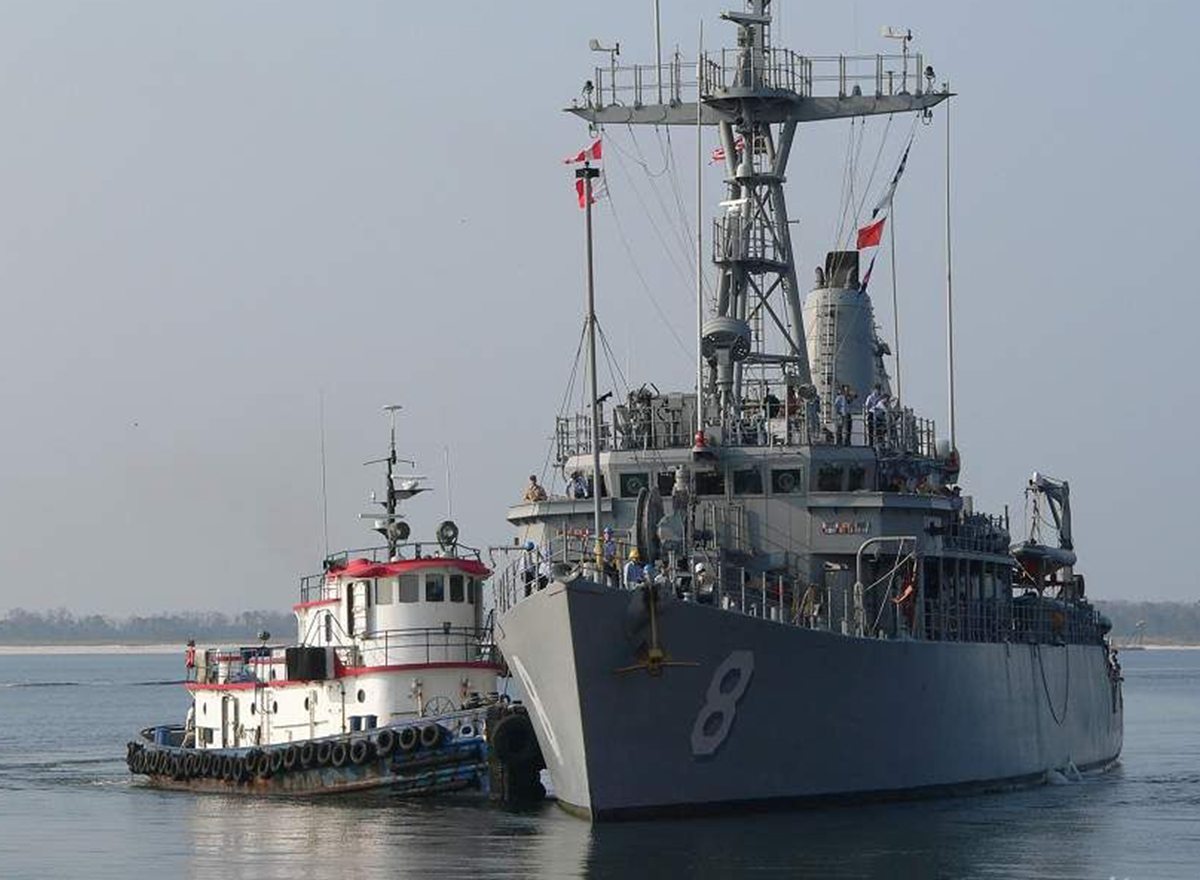
These specialized vessels were constructed with equipment that could detect, neutralize and safely remove naval mines. Minesweepers not only save countless lives, they also help prevent damage to the U.S. Navy fleet and keep America’s sea trade up and running. Thanks to minesweepers and mine countermeasure vessels, crucial supply lanes remain open and vessels are able to operate freely. There are currently 11 mine countermeasure ships in service.
Seaplane Tenders
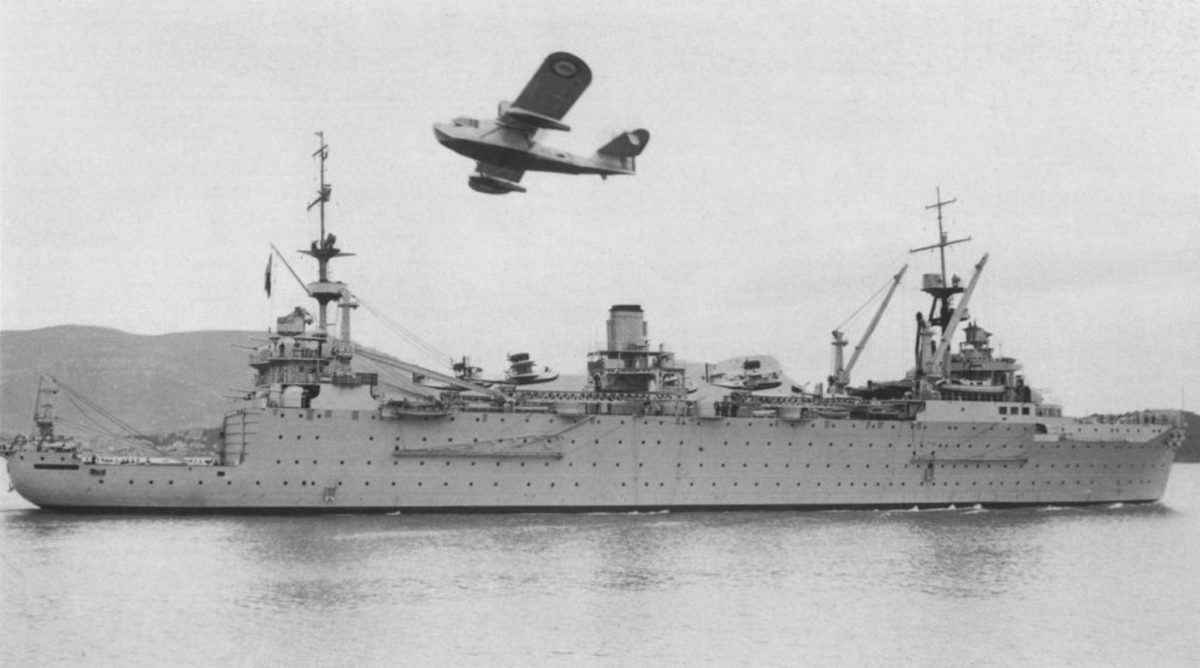
Seaplane tenders are considered the first aircraft carriers, and they became a staple in the U.S. Naval Fleet during World War II. U.S. Navy veterans who served on seaplane tenders may have been exposed to asbestos while working on the ships’ boilers, turbines, pumps, valves, and other equipment.
Submarines
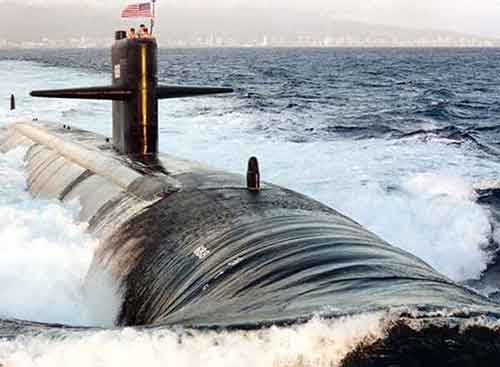
Among the most well-known naval vessels, submarines are also some of the most deadly in the U.S. Navy arsenal, able to provide tactical and strategic advantages during wartime. Submarine use dates back to World War I, and these craft, capable of sustained underwater operation, remain a naval fleet mainstay. There are four classes of Navy submarines: attack submarines, ballistic missile submarines, guided missile submarines, and deep submergence rescue vehicles. Submarines range in size from small vessels built for stealth to huge ships that can carry a crew of nearly 100 sailors.
Tugboats
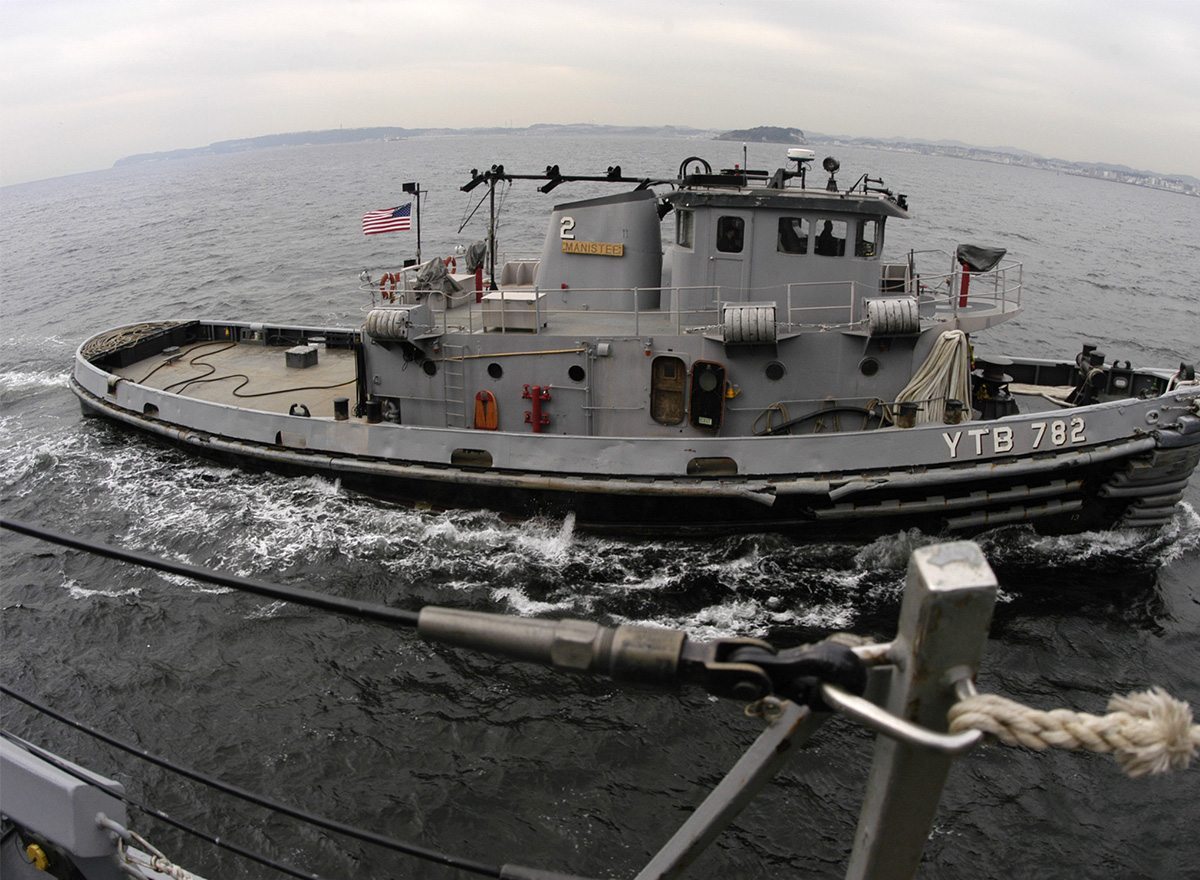
Often referred to as the “workhorse” of the harbor, tugboats have always played an important role in U.S. Navy operations. These sturdy boats maneuver larger ships into and out of harbors, as well as tow other vessels and perform rescue missions on the open seas. The seamen who serve on these vessels are crucial to keeping harbors running smoothly and dedicated to providing aid whenever they are called upon.
Asbestos Equipment
The Navy used asbestos containing materials (ACMs) for many purposes.
According to the Department of Veterans Affairs War Related Illness & Injury Study Center, the Navy used ACMs on ships that were built before 1983 – many of which were in service for decades afterwards.
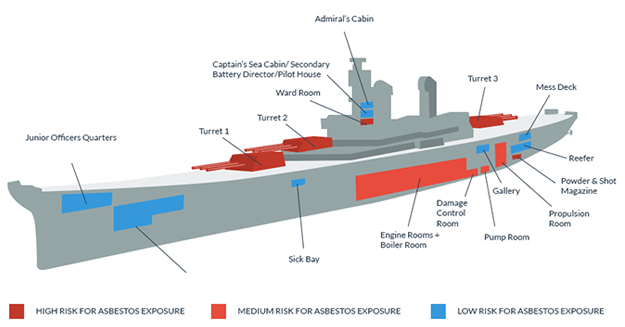
ACMs were used in many materials, including boilers, turbines, pumps, gaskets, valves, cements, adhesives and pipe coverings. They were extensively used in engine and boiler rooms.
Navy veterans were exposed to asbestos when working in very close quarters, which has resulted in an increased risk of developing an asbestos-related illness.
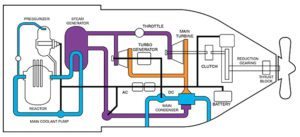
The products and systems that used asbestos on Navy ships include:

Navy veterans who are at an increased risk of developing an asbestos-related illness include those who:
- were involved in repair of asbestos-containing equipment or removal of asbestos materials
- served on ships whose keels were laid before 1983
- worked in shipyards from the 1930s through the 1990s
- worked below deck before the early 1990s
- handled, removed or disturbed any ACM during duty
- worked as pipe fitters, welders, boiler tenders, electricians, machinists and firemen before the mid-1990s
Unfortunately, many service members often worked directly with asbestos products in tight areas with poor ventilation and were not provided with proper respiratory protection. For many Navy service members, this was a deadly combination.
Boilers
Boilers are a tank for generating steam under pressure to create electricity. Asbestos was used as insulation for the inside and outside of the boiler. Materials for the interior were often firebrick or refractory cement. Asbestos covering in the form of cement or thermal insulation was usually used for external insulation.
Gaskets that contained asbestos were used on different parts of the boiler including the door, various access windows and plates, and where the boiler was connected to piping and other equipment. Asbestos packing and gaskets were used in boiler components like soot blowers, valves, and pumps.
Boiler workers installed, repaired, and replaced asbestos insulation on the interior and exterior of the boilers, creating clouds of dust in the vicinity. Gaskets and packing had to be inspected and changed regularly, further exposing workers to asbestos through this dusty process.

Turbines
A turbine produces continuous power, made to revolve by steam, gas, or other fluids. Asbestos insulation was used on the interior and exterior of the turbine, often in the form of blankets or thermal insulation. Each turbine had numerous pumps and valves which required gaskets and packing that needed to be pulled off and cleaned.
Asbestos was disturbed when workers had to repair, replace, or maintain parts around the turbines, exposing workers.

Pumps
Pumps take liquid and distribute it throughout the ship. Pumps are used in various parts of ships to move water and oil to the the turbines, generators, and other equipment.
Types of pumps include boiler feed, condensate, saltwater, main feed booster, auxiliary condensate, auxiliary feed, drain, evaporator, flushing, brine overboard, bilge, circulating, main lube, and fire, among others. Pumps had asbestos insulation on the outside. They also contained casing gaskets and flange gaskets. High-pressure packing was used in glands to seal the pump.
Machinist’s Mate looked for wear and tear on the pumps. To change the packing, workers loosened the packing gland, pulled the asbestos packing out and cleaned up the area, causing asbestos fibers to be released in the air. Pump gaskets needed to be removed and replaced when pumps were repaired or replaced.
Pumps were opened to be cleaned and sometimes taken off the ships for cleaning, repairing, replacing, and maintaining.
Valves
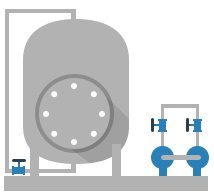
Valves control the passage of fluid through a pipe to different pieces of equipment throughout ships including lube oil, globe, control, and crane valves. There were myriad valves on ships. The exterior of the valve was insulated with asbestos. Valves also contained bonnet and flange gaskets that had asbestos and asbestos packing to seal the stem.
Workers were exposed to asbestos when disassembling the equipment. Navy personnel would regularly fix leaks and check lines for maintenance. A quick fix to a leaking valve stem or a leaking pump was to add asbestos packing.
The packing material in the valve can get hard and dry after being worn. Workers would wait for the systems to cool down, remove the packing material, cut the wire it was attached to, unwind the packing material, and take it off. They then pulled the packing gland off and dug out the valve packing and gaskets, causing asbestos fibers to be released in the air.
Condensers and Evaporation and Distillation Equipment
A condenser is a container that condenses vapor. Evaporators remove liquid from material. Distillers remove salt from salt water.
Workers opened, inspected, and installed cooling condensers, evaporators, and distilling equipment, including associated pumps and valves. Asbestos was used in gaskets and packing for this equipment as well as in the equipment’s insulation.
The cooling condenser was inspected by taking all the bolts out and opening inspection hatches and doors. Workers checked all sides of the gasketed condenser and then inspected ports on the evaporators. They then removed the asbestos gaskets and cleaned them by scraping and brushing them, causing asbestos fibers to be released into the air.

Machine Shop
A machine shop is a part of a shipyard where equipment is repaired.
Various valve bonnets and pump parts that contained asbestos were brought to machine shops as workers pulled them out. They were disassembled in the machine shop and shipyard workers would repair valve seats and pump parts.
Other Equipment
Many other types of equipment on ships used asbestos, including:
-
- Insulation, gaskets and packing
- Steam whistles
- Heaters
- Fans
- Air conditioning
- Refrigeration
- Hot water heating
- Anchor windlass
- Laundry equipment
- Air compressors
- Galley equipment
- Ice machines
When ships went into port or dry dock, extensive work was performed on the ship and its equipment. In certain cases, major refitting and modernization projects were executed. Shipyard workers were exposed to asbestos during ship construction and overhauls. Symptoms of asbestos disease typically take 30 to 50 years to appear, so workers at shipyards in the 1960s or 1970s may only recently have developed mesothelioma.

Serious Health Effects of Asbestos Exposure
Many Navy veterans were continually exposed to asbestos that caused them to contract asbestos-related diseases that affect the lungs or membranes around the lungs such as respiratory cancer (lung cancer and mesothelioma), asbestosis and other types of cancer.
The tragedy is that these illnesses could have been prevented if proper precautions had been taken to avoid asbestos exposure. Unfortunately, asbestos manufacturers failed to provide sufficient warnings of the health hazards of their products.


Mesothelioma
Mesothelioma affects the mesothelium, a thin membrane that covers the internal organs of the body.
Although there are several types of mesothelioma, most affect the membranes surrounding the lung (pleural membrane) or abdominal cavity (the peritoneum).
Lung Cancer
Lung cancer forms in the tissues of the lung, usually in the cells that line the air passages. Lung cancer from asbestos generally does not manifest for decades after exposure.
Cigarette smoking, along with asbestos exposure, can increase the risk of lung cancer by 50 to 100 times.
Asbestosis
Asbestosis is a condition that causes lung tissue to scar and become thick, stiff and fibrotic. It can be a progressive process and result in shortness of breath. It is often associated with a chronic cough or bronchitis and can eventually lead to disability and death.
Other Cancers
According to the Institute of Medicine, research shows that asbestos exposure can also lead to other cancers – especially those that affect the pharynx, larynx, stomach, colon and rectum.
Navy Veterans Deserve Compensation for Their Injuries
Any Navy veteran who was injured due to asbestos exposure is likely dealing with costly cancer treatments and other medical expenses that wouldn’t have been necessary had the asbestos companies provided adequate warnings.
Navy veterans deserve compensation to cover these costs, and an experienced mesothelioma attorney can analyze your situation to determine your possible legal options against an asbestos manufacturer, distributor or seller.
In addition to veterans who served on ships, those who worked in shipyards may have been exposed to asbestos while building, maintaining, or repairing vessels.
Civilian Navy shipyard workers, sometimes called yardbirds, also were at high risk of exposure.
Contact Us

Free Mesothelioma Patient & Treatment Guide
We’d like to offer you our in-depth guide, “A Patient’s Guide to Mesothelioma,” absolutely free of charge.
It contains a wealth of information and resources to help you better understand the condition, choose (and afford) appropriate treatment, and exercise your legal right to compensation.
Download Now