What Is A Mesothelium?
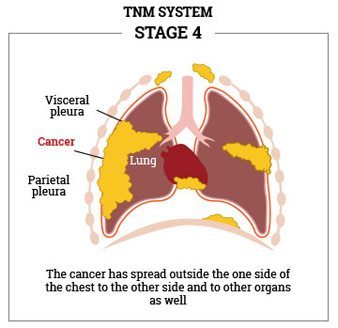
The mesothelium is the membrane that surrounds many of the body’s vital organs. This membrane secretes a lubricating fluid that provides easy movement of the organs within the body.
This is where the cancer develops when asbestos is inhaled or ingested. When the mesothelium becomes cancerous, it is called mesothelioma.
There can be multiple forms of the cancer when it affects the mesothelium.
The form is determined by the location in which the tumor begins, known as its origin site, and the type of cells that the tumor invades, known as its histological subtype. Each type may require a different treatment.
Can Smoking Cause Mesothelioma?
Asbestos is the only known cause of mesothelioma. If you are a smoker who has been diagnosed, your doctor will urge you to quit immediately.
Why is malignant pleural mesothelioma the most common type of mesothelioma?
Most people are exposed to asbestos when fibers from asbestos-containing materials become airborne. This could happen when cutting, sanding, drilling, filing, or otherwise disturbing these dangerous materials. In the past, some workers also were exposed to raw asbestos, which was mixed with other materials to form products such as asbestos cement.
Airborne asbestos fibers could easily drift across an entire worksite, putting everyone in the vicinity at risk, not just those who were working directly with the material. This widespread exposure risk makes pleural the most common type of the disease.
Can mesothelioma be inherited?
No, malignant mesothelioma cannot be inherited, and it is not contagious.
However, family members could have been exposed to asbestos secondhand (known as take-home asbestos) when those who worked with the material accidentally brought fibers home on clothing or uniforms.
Secondhand exposure to asbestos can cause mesothelioma. There may be some genetic factors in the development of this asbestos cancer.
Lung Cancer Vs. Mesothelioma
People may confuse malignant mesothelioma with lung cancer. However, these are two separate types of cancer. Lung cancer is a carcinoma that affects the lung itself.
Is mesothelioma the same as lung cancer?
Mesothelioma is a cancer that attacks the mesothelium tissue that lines the lungs, chest cavity, and other organs in the body. Exposure to asbestos can cause both types of cancer, but it is the only known cause of malignant mesothelioma.
Asbestosis Vs. Mesothelioma
What is asbestosis disease?
Asbestosis disease is a chronic lung condition that is caused by inhaling asbestos fibers.
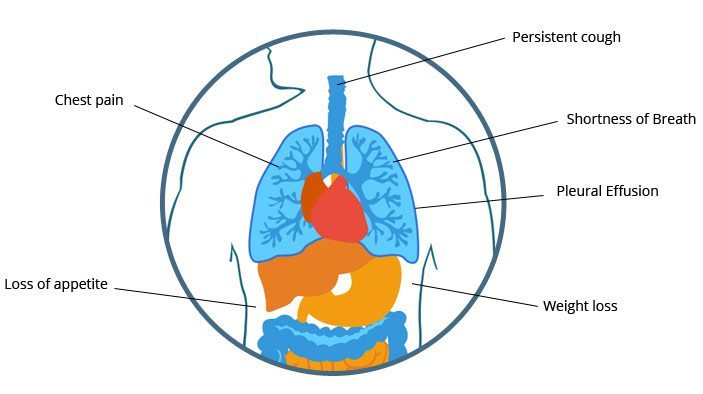
The asbestos fibers lodge in tiny sacs in the lungs, known as alveoli. Symptoms of asbestosis include shortness of breath, tightness and pain in the chest, chronic cough, loss of appetite, weight loss, and clubbing of fingers and toes.
Treatment can include use of an oxygen tube or mask, pulmonary rehabilitation exercises, or a lung transplant in extreme cases.
Are asbestosis and mesothelioma the same?
No. Although both of these diseases, along with lung cancer, are associated with exposure to asbestos, they are not the same.
Asbestosis is a chronic lung disease, not a cancer. It is caused by inhalation of asbestos fibers, which can get stuck in the small sacs in the lungs. Having asbestosis can increase a patient’s chances for developing asbestos-related lung cancer.
Malignant mesothelioma is a cancer. It affects the mesothelium tissue, which lines the lungs and chest wall, as well as the abdominal cavity, heart, and testicles. Malignant mesothelioma is caused by the inhalation or ingestion of asbestos fibers, which lodge in the mesothelium tissue.
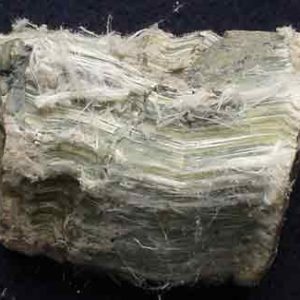 The only known cause of this type of cancer is